The Researchers Behind the Insights
Our research team is composed of experts across linguistics, sociology, anthropology, and behavioral science, all trained to recognize and analyze the nuanced ways that people use language to construct meaning in interactional contexts. Behind every analysis is a researcher with a unique perspective, combining rigorous methodological expertise with a deep curiosity about human experience.

Meet Our Team!
Mia Shang
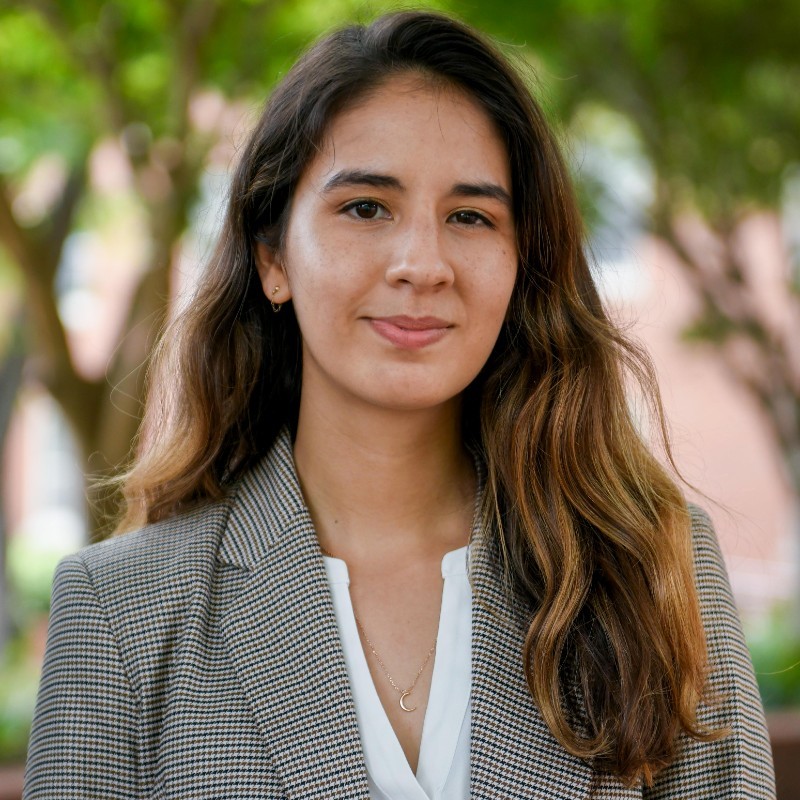
Trained in linguistics and anthropology, Mia’s work centers on sociolinguistics and language change, with research focused on dialect contact and a strong interest in translating academic insights into applied contexts.
Alison Broach
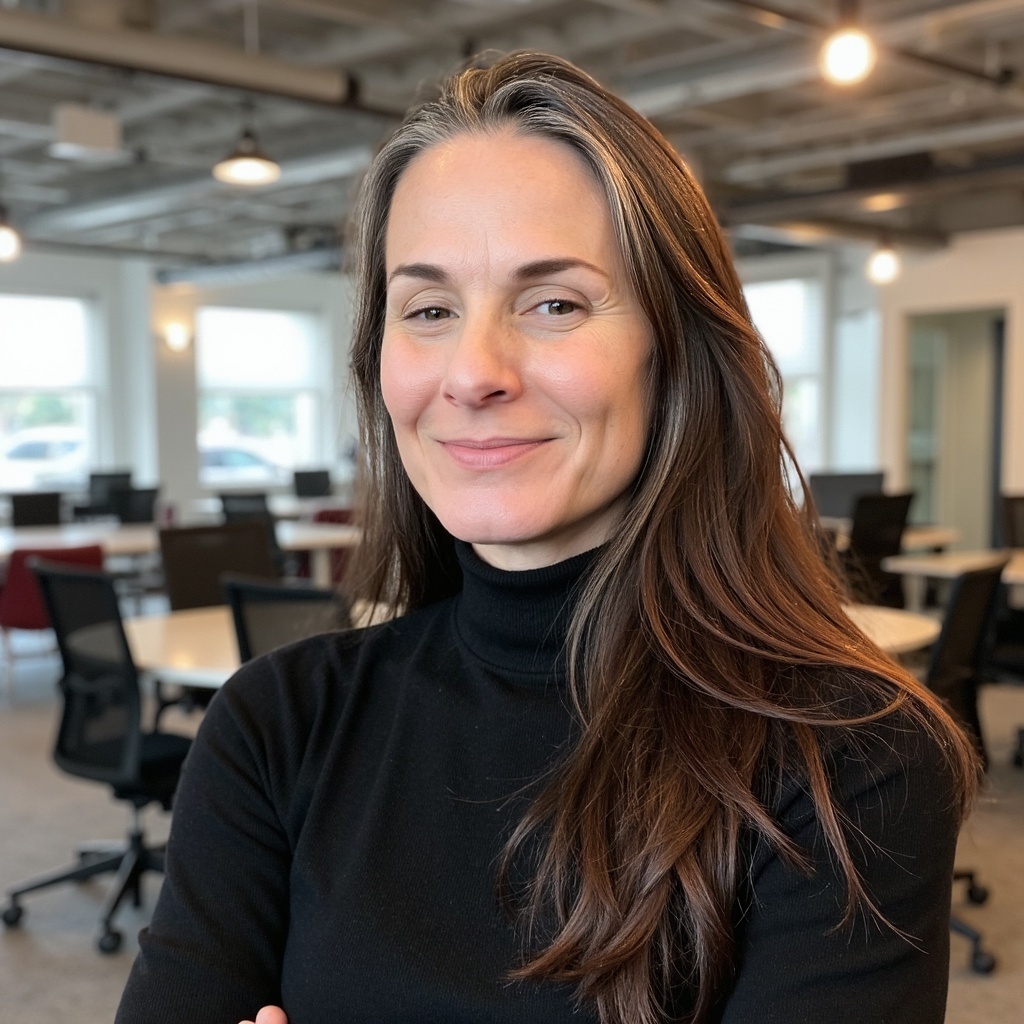
With an interdisciplinary academic path spanning theatre, Italian, and international study, Alison’s work centers on language, culture, and cognition. A formative experience studying abroad in Italy sparked a lasting focus on linguistic and cultural analysis.
Eva Liu
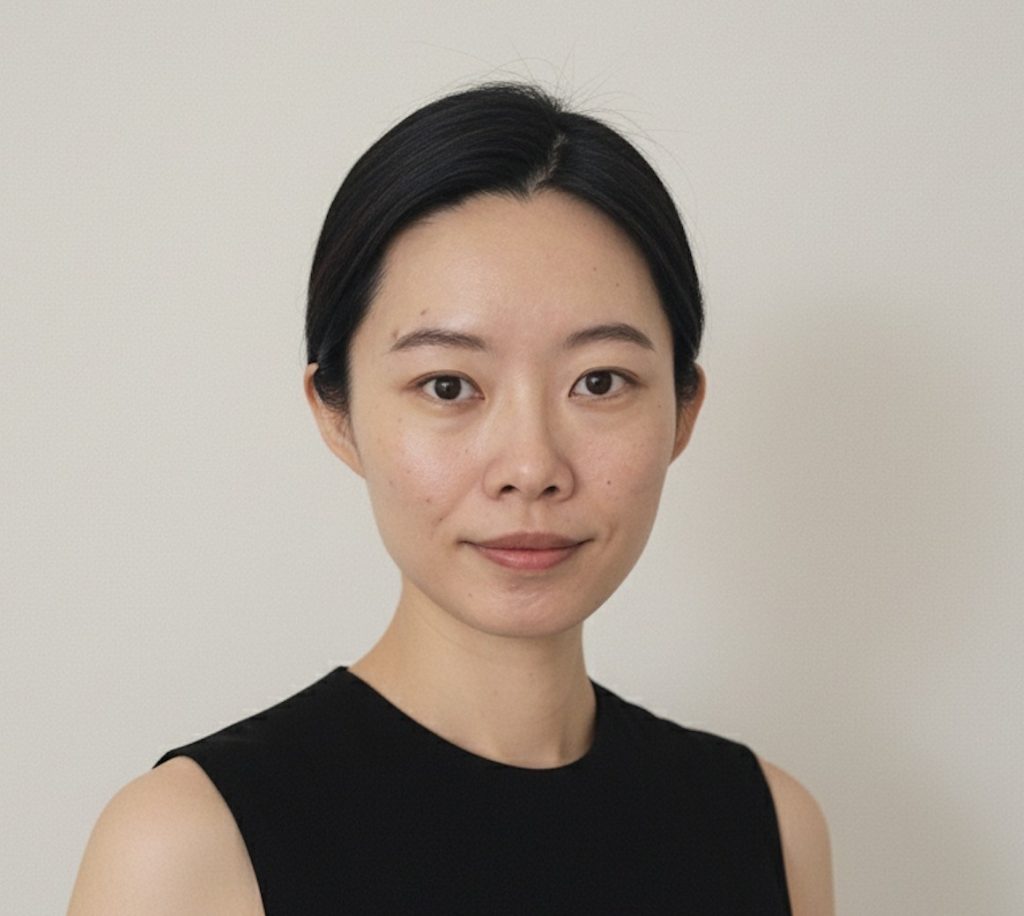
With deep expertise in medical discourse, qualitative research, and AI application development, Eva helps shape the future of healthcare insights. Her work centers on designing AI systems that understand research needs while maintaining methodological rigor and transparency.
Deborah Matzner
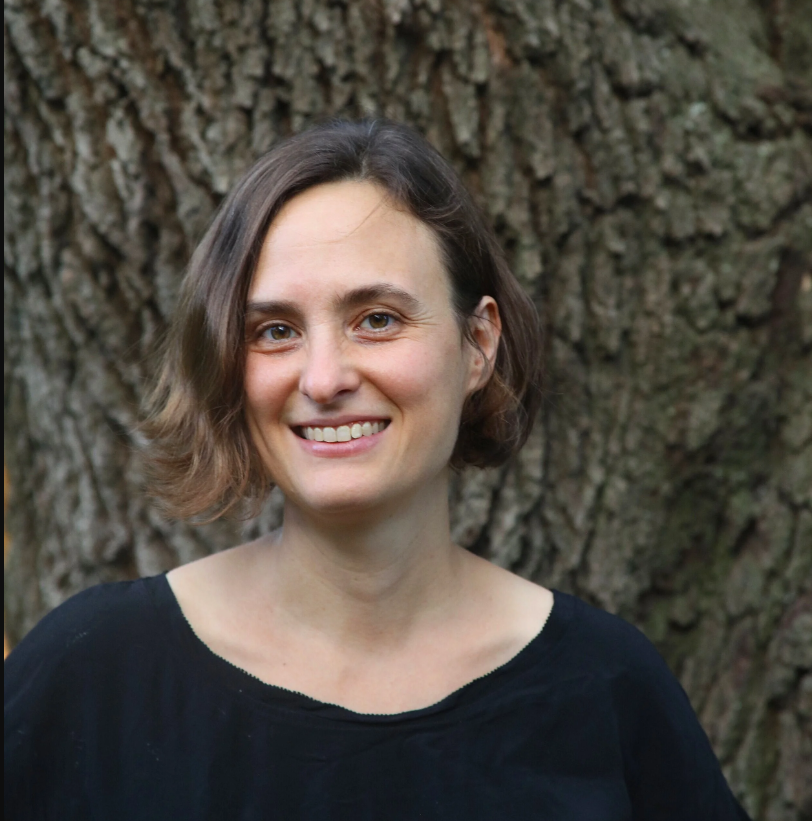
Driven by a lifelong curiosity about language and culture, Deborah is a cultural anthropologist whose work spans ethnographic research, documentary storytelling, and qualitative analysis. She is particularly interested in the often-unspoken social and linguistic patterns that shape everyday communication.
Zachary Hebert
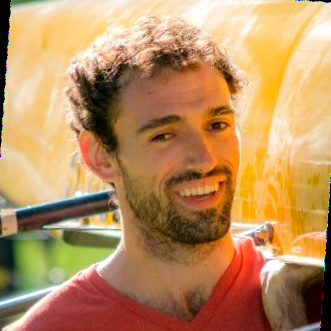
With academic training in sociolinguistics and mentorship under leading dialect researchers, Zachary studied how language shifts across communities and applies those insights beyond academia.
Samantha Creel
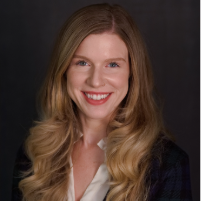
With academic training in applied linguistics and global research experience, Samantha specializes in language acquisition and corpus analysis and has applied that expertise to developing conversational AI solutions.
Brandon Barr
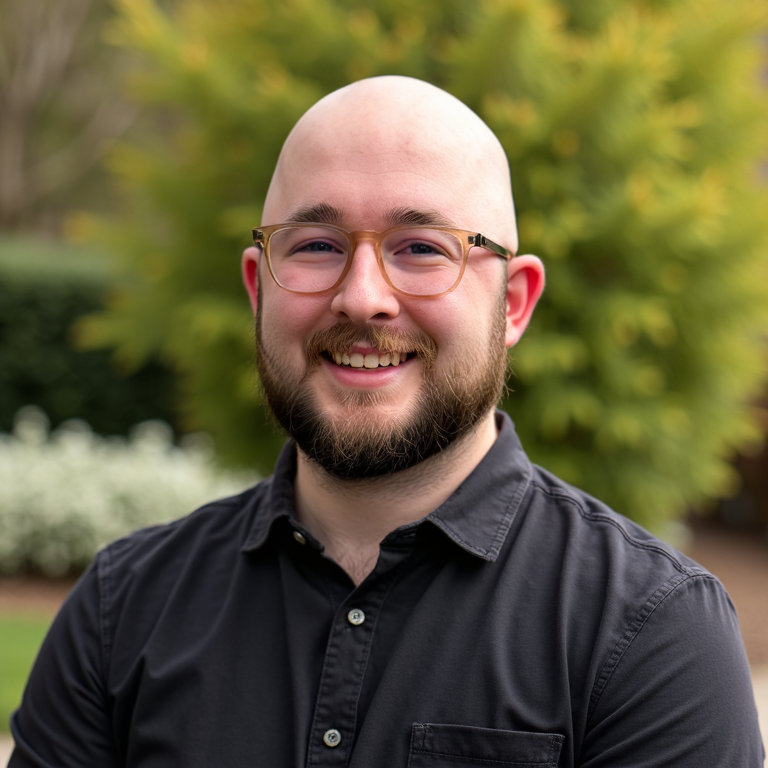
With training in linguistics and global teaching experience, Brandon focuses on how language is processed and used in public discourse, particularly in media representations of health and environmental issues.
Mia Shang
I grew up in Raleigh, North Carolina and discovered my interest in Linguistics relatively early, in a high school Psychology class. From there, I attended the University of North Carolina at Chapel Hill and earned degrees in Linguistics and Anthropology and a minor in Spanish. It was at UNC that I discovered my interest in sociolinguistics, leading me to attend North Carolina State University and study under the mentorship of Dr. Walt Wolfram, a sociolinguist well-known for his pioneering work in African American English and extensive work on American dialectology. I wrote my master’s thesis on language change and the recession of southern features amidst dialect contact in the “Triangle” (Raleigh-Durham area) of North Carolina. Throughout my studies, I had always been interested in the applications of (socio)linguistic research, so it seemed a natural next step to pursue a career in industry.
Before joining Verilogue, I worked as a consultant and Linguistics researcher at a small consultancy in Philadelphia. Now based in New York, I’ve worked as a Researcher at Verilogue since July of 2024 and I’m constantly learning something new! My master’s program focused heavily on public outreach and education on sociolinguistics and linguistic diversity, so I love to talk about the field. When I get asked to tell someone more about what a linguist does, I like to talk about Labov’s famous department store study, the one-of-a-kind dialect found on the small island of Ocracoke, NC, or test my conversational partner for mergers! Do you say pen and pin the same or different?
Alison Broach
Louisiana native raised in the Deep South—Baton Rouge and New Orleans with a splash of coastal Alabama as a teenager. After high school, my interests were broad, to say the least. As the plane obsessed kid of a pilot, I almost attended UC Boulder for Aeronautical Engineering, but changed course to stay in Louisiana, where I began LSU studying Forestry & Wildlife and ended with a BA in Theatre and Italian. A year studying abroad at the Universitá degli Studi di Urbino is where my fascination with language, culture, and the brain took the wheel and charted a new course.
After teaching ESL across the US, Korea, Taiwan, Italy, and the Czech Republic, I had too many questions about how we speak, who we are, what words do—especially across languages—so I pursued answers. I earned a PhD in Linguistic Anthropology from the University of Virginia, where I ethnographically documented an endangered language in Guatemala and studied how that language shapes an indigenous Afro-Caribbean community. I built my research design and data collection skills, but real impact meant translating one community’s experience for very different audiences and turning it into a clear case for action—a skill I rely on in market research.
After graduating, I worked as a Market Research Analyst at Hanover Research, then became a Sr. UX Researcher for a healthcare research program run by the National Institutes of Health: the All of Us Research Program. My love of healthcare and continued passion for studying communication drew me to Verilogue, where I have been an Associate Director since April 2025.
At Verilogue, I love helping pharma teams mobilize what we learn from doctor-patient dialogues into real ways to support patients and clinicians. I enjoy collaborating with clients and our brilliant team of social scientists and linguists, and I am excited about how we are evolving our work alongside AI. This team is alive with ideas and it’s very cool that I get to use my Linguistic Anthropology degree every day!
Eva Liu
I am the Director of Strategy at Verilogue, where I lead the development of AI-powered qualitative research tools and help guide the organization’s broader AI transformation.
My academic training in sociolinguistics, with a specialization in discourse analysis. Over the past 8.5 years at Verilogue, I have developed deep expertise in medical discourse, qualitative research methodologies, and end-to-end project operations. For the past 2 years, I’ve been working closely with our engineers to build large language model (LLM) applications for qualitative research, including designing agentic structures, system prompts, workflows, and guardrails that help LLMs understand research need and operate within clear boundaries. To me, this work is fundamentally about communication: between patients and providers, between life sciences companies and the people they serve, between researchers and data, and now between humans and AI systems.
Outside of work, I enjoy gardening and reading, especially science fiction and social sciences. I’m drawn to stories and ideas that explore how language shapes identity, power, relationships, and understanding, particularly in first contact situations or extreme social circumstances.
Deborah Matzner
I have a lifelong curiosity about language, culture, and communication. That orientation took shape early. I grew up in Austin, Texas, the child of a professor, immersed in a cosmopolitan intellectual community within what was then a relatively homogeneous neighborhood. Travel to India during high school, just as the country was opening its markets more to global consumer culture, further sharpened my interest in cultural variety and in how the ways we do things are governed by contingent, largely unspoken rules that only become visible through comparison.
I earned my B.A. from Columbia University in Cultural Anthropology and South Asian Studies and completed a Ph.D. in Cultural Anthropology at New York University. Supported by a Fulbright-Hays fellowship, my dissertation drew on long-term ethnographic fieldwork in Mumbai. There, I embedded within the television industry and documentary filmmaking communities to examine how a linguistically and culturally diverse and rapidly changing public was imagined and addressed during a period of intense commercialization and rising religious nationalism. Along the way, I also made documentary films and developed a lasting interest in ethnography as a way of telling stories about everyday life across media.
After serving as an Assistant Professor of Anthropology at Wellesley College, I transitioned to market and user experience research. I joined Verilogue in June 2025 as Assistant Director of Research, bringing advanced qualitative and conversation-analytic methods from the social sciences. Since then, I’ve enjoyed working across treatment areas, including in complex domains like precision oncology.
One of the great joys of my job, beyond getting to explore such fascinating conversational data, is nerding out with colleagues about language and culture. I’m especially happy talking etymology (the historical and cultural lives of words) and onomastics (the practices and politics of names and naming). When not working or kid-wrangling, I can often be found walking my doodle Buddy through Brooklyn parks while listening to linguistics podcasts.
Zachary Hebert
I’m an Associate Director of Research and have been part of the deep marketing research engagements Verilogue is known for, since 2018.
I earned a B.A. in French and International Development, as well as a B.S. and M.A. in Linguistics, from Tulane University. While working toward a joint-Ph.D. in Linguistics and Anthropology at the University of Chicago, I made the decision to transition from academia to an applied research career.
My academic research focused on the phonology of signed and spoken language; linguistic anthropology; and the emergence, change, and obsolescence of language systems. My interest in linguistics and anthropology began while studying French in South Louisiana, which is where I also grew up.
At Verilogue, I lead studies whose results are intended for dissemination at congresses and in peer-reviewed journals. These engagements are most often with medical affairs and health economics and outcomes research (HEOR) teams and frequently examine how decisions are made clinical settings, how patients talk about their experiences, and how physicians assess and support their patients.
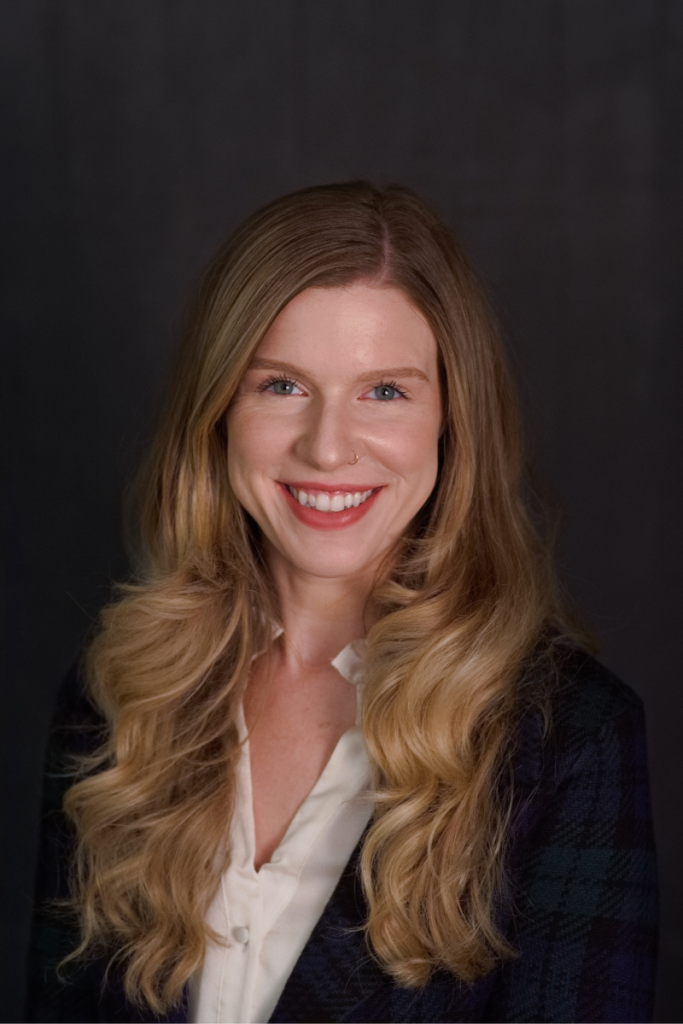
Samantha Creel
I was born and raised in a rural area of Green Cove Springs, Florida before attending the University of Florida, graduating with a B.A. in Linguistics and a B.A. in Anthropology. I earned an M.A. in Applied Linguistics: TESOL at the University of South Florida before completing the Critical Language Scholarship for Arabic in Oman and a Fulbright in Bahrain. I attended the University of Florida again (Go Gators!) to complete a Ph.D. in Linguistics in 2022, specializing in corpus linguistics and second language acquisition of English and Arabic. I previously worked as a Senior Natural Language Analyst building conversational AI agents for businesses across different sectors.
I have been a Researcher at Verilogue since March 2024. In addition to our marketing insights projects, I also work on our Medical Affairs research, including Health Economics and Outcomes Research studies.
As a former ESL teacher, I love surprising people by pointing out interesting phonological phenomena they use every day but are often unaware of, like the ‘5 T’s’ of American English, or reductions (gotcha!).
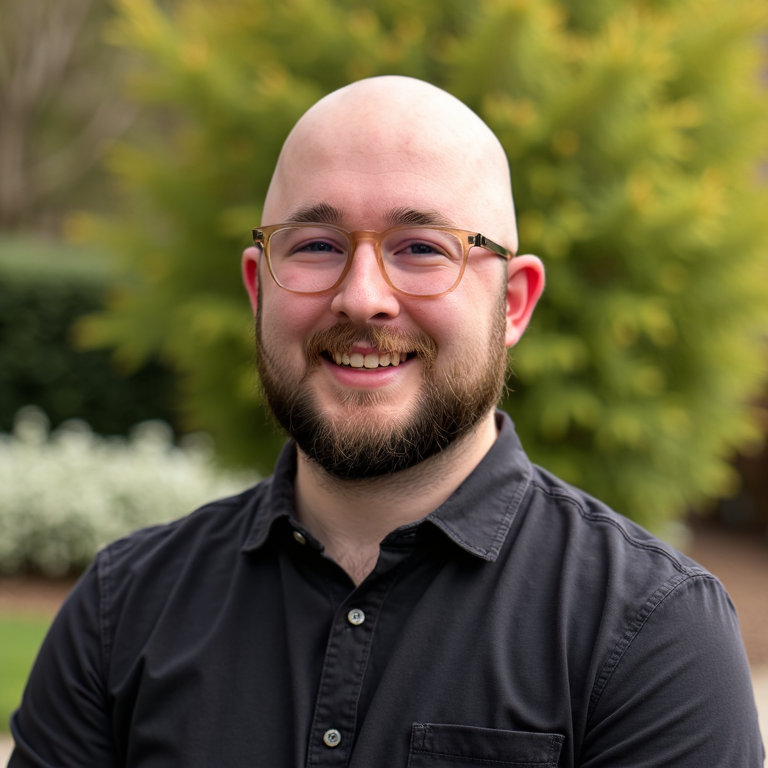
Brandon Barr
I’ve been a Researcher at Verilogue since March 2025 and contribute to our marketing insights projects. I also collaborate on our research innovation team and have experience supporting our Digitas Health agency partners with linguistic insights for new business proposals.
My interest in linguistics started in my high school Spanish classes where I developed a fascination with how our brains process language. I’m a St. Louis native and I hold a B.S. in Linguistics from Truman State University. After graduating I moved to Madrid and worked as an EFL teacher before returning to the U.S. and obtaining my M.S. in Sociolinguistics from Georgetown University. At Georgetown, my research focused on Interactional Sociolinguistic and Critical Discourse Studies approaches to analyzing political discourse on food, health, and the environment in mainstream media.
When going out with friends, I always enjoy pointing out how restaurants use language to index their quality and authenticity (the more expensive the restaurant, the fewer adjectives you’ll find on their menus!).
Interested in working with our research team on a project? Click the button below and contact us today!