
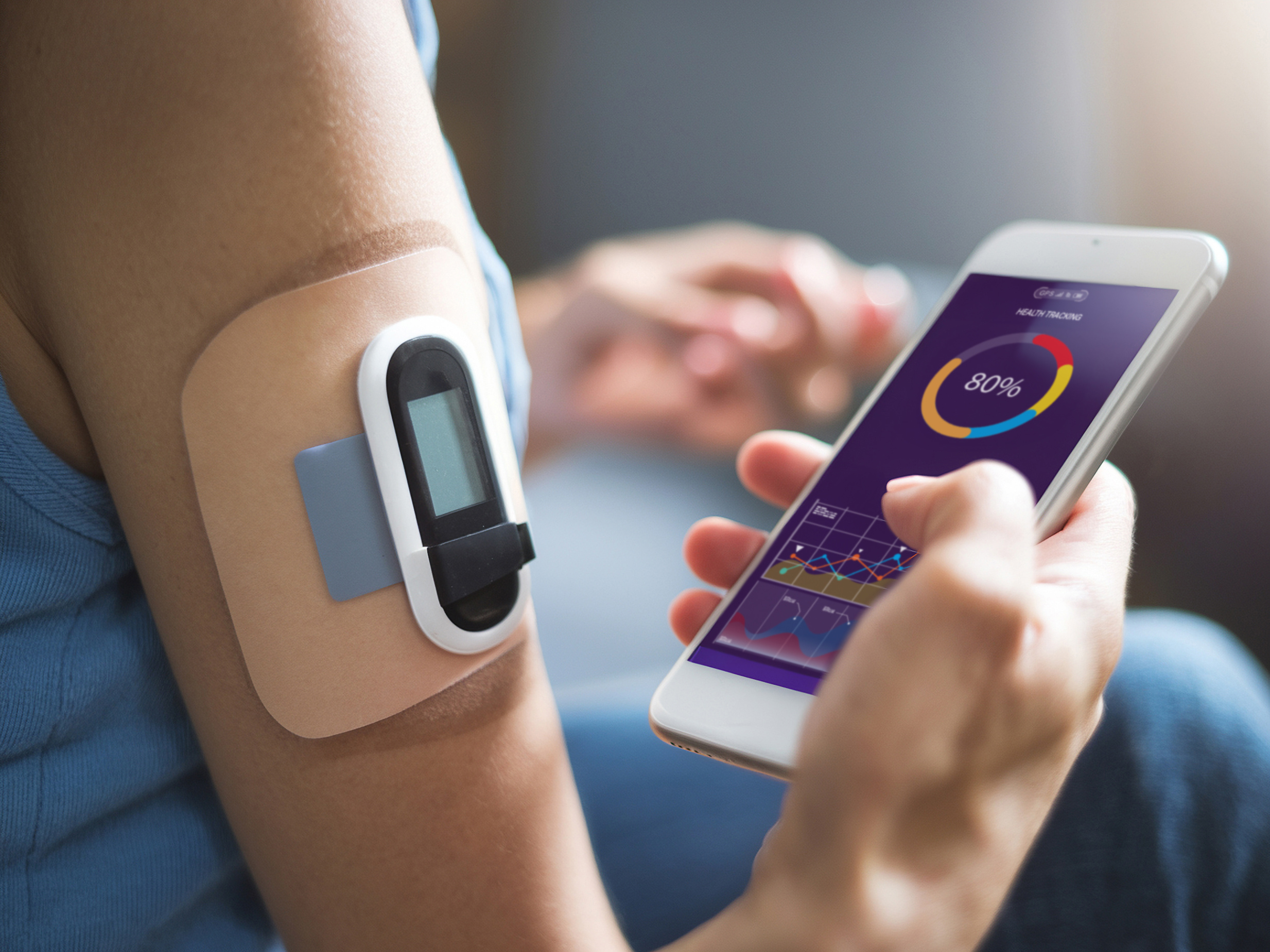
Consumer wearables are more accessible than ever, but their value can quickly diminish without one critical element: action.
Many people begin the New Year with a renewed focus on tracking what they eat. Almost immediately, the data is eye‑opening. A serving of nuts is far smaller than expected. A protein bar often contains two servings, not one.
The information is useful, but does it change behavior?
Do people actually eat fewer nuts? Do they stick to half a protein bar instead of finishing the whole thing? In many cases, awareness alone doesn’t lead to meaningful change.
This same challenge exists in healthcare.
Data Without Action in Healthcare
Patients can now wear multiple devices at once tracking heart rate, activity, sleep, and glucose levels. But if neither patients nor healthcare providers (HCPs) are able to act on the information these devices generate, their value becomes questionable.
Without interpretation, context, and follow‑up, wearable data risks becoming just another stream of unused information rather than a tool that informs decision‑making and improves care.
Understanding HCP Perspectives on Wearables
Members from our engagement strategy & research teams James Greenebaum and Jeff Troy examined how healthcare providers view consumer wearables today, with a particular focus on widely used devices such as Apple Watch and continuous glucose monitors (CGMs).
They explore:
- HCP perceptions of the advantages and limitations of consumer wearables
- How physicians believe patients are actually using these devices
- Ways HCPs are actually accessing and utilizing data from these devices
By examining wearables through the lens of the care team, they aim to better understand why adoption alone does not automatically translate into impact.
The Future of Wearables: Bridging the Behavior Gap, Supporting a More Productive Discussion
As wearables become more technically advanced, they may help close a long‑standing gap in healthcare: the difference between what people say they do and what they truly do in daily life. Talking about the reality of the data in-office can lead to more patient engagement, a longstanding and often unfulfilled goal of marketers. When included in the in-office dialogue, wearables can support more productive conversations by bringing real‑world data into the exam room and helping HCPs and patients connect and reflect on up-to-date, personalized data.
This whitepaper will help add to your knowledge about consumer wearable devices and inspire forward-thinking!